
Malta after the golden passport ruling: what serious applicants should consider instead
- 14 July 2026
- Posted by: CoatesGlobal
- Category: Malta
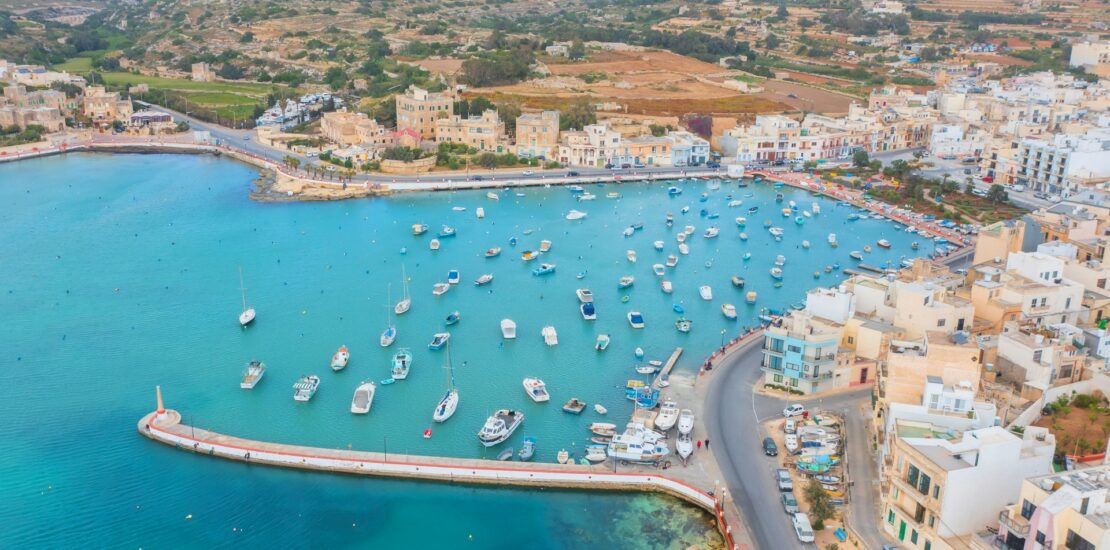
Malta’s golden passport route is no longer available. The Court of Justice of the European Union ruled on 29 April 2025 that Malta’s investor citizenship scheme was contrary to EU law because it amounted to the commercialisation of EU citizenship. Malta then amended its citizenship framework in July 2025, removing the direct investment route that allowed applicants to obtain citizenship through predetermined payments and investment commitments.
If you hoped to secure an EU passport mainly by making a financial contribution, that specific door has closed. What remains is slower and more selective: residence that may lead to citizenship after a genuine qualifying period, Malta’s permanent residence programme, or a non-EU citizenship route if your main goal is faster second-passport optionality. The detail on what the Malta ruling still means is a sensible place to start.
What the ruling actually changed
The CJEU found that granting nationality in return for predetermined payments or investments breached the principle of sincere cooperation between EU member states. In plain terms, Malta can no longer operate a transactional citizenship-by-investment route that effectively sells access to EU citizenship.
Malta now has a more discretionary merit-based framework for exceptional services or contributions. That is not the same as the old investor route. It does not offer a fixed donation amount, fixed processing timeline or guaranteed outcome. If you want the current picture on what is possible in Malta now, it is important to separate residence planning from citizenship expectations.
The old numbers, for context
Under the previous Maltese citizenship-by-investment framework, applicants generally had to contribute either €600,000 after 36 months of residence or €750,000 after 12 months, plus a qualifying property commitment and a charitable donation. That created a relatively fast route to an EU passport for applicants who could meet the checks and costs.
Nothing currently available in the EU offers the same direct passport outcome on the same timeline. Malta still runs a permanent residence option, which you can review on the Malta residency page, but it gives residence and Schengen access rather than fast citizenship.
Realistic alternatives for serious applicants
Your best route depends on what you are trying to achieve: an EU base, long-term citizenship planning, travel flexibility, family security or tax and lifestyle optionality.
| Route | Type | Rough citizenship timeline | Note for UK applicants |
|---|---|---|---|
| Greece golden visa | Residency, citizenship possible later | Around 7 years of lawful residence, subject to language and integration rules | Strong EU foothold, but citizenship is not automatic |
| Portugal residency by investment | Residency, citizenship possible later | Portugal’s 2026 nationality changes lengthened the route for many non-EU applicants, so timings need careful review | Fund-based routes remain relevant after property investment was removed |
| Malta residency | Permanent residence | No fast citizenship route | Schengen access and long-term residence without a direct passport promise |
| Italy investor visa | Residency, citizenship possible later | Usually long-term residence before naturalisation can be considered | Useful for applicants wanting a larger EU economy |
| Turkey citizenship by investment | Direct citizenship | Often a few months, subject to checks | Non-EU passport, no EU free movement rights |
| Caribbean citizenship | Direct citizenship | Usually several months, depending on programme | Travel and banking optionality, but not EU residence rights |
Choosing without the marketing gloss
Before comparing prices, be clear on your goal and timeline. A residence permit is not a passport. A citizenship application is not guaranteed. And every credible programme in 2026 is due diligence heavy, especially around source of funds, sanctions exposure and background checks.
The distinction between residency by investment and citizenship by investment shapes everything that follows. If you want a faster passport, St Lucia citizenship routes and the St Kitts and Nevis changes are worth understanding, because Caribbean programmes are also tightening due diligence and compliance expectations.
For an EU-focused plan, compare the best golden visa in Europe and the full list of residency and citizenship programmes before assuming the lowest advertised entry point is the best fit.
Frequently asked questions
Is Malta citizenship by investment still available?
No. Malta’s direct investor citizenship route was removed after the CJEU ruling. A discretionary merit route exists for exceptional contributions, but it is not a fixed-price citizenship-by-investment programme.
Can you still get an EU passport by investment?
Not directly in the way Malta previously offered. EU options now generally involve residence first, with citizenship possible later only if residence, language, integration and legal requirements are met.
What is the best alternative to Malta’s golden passport?
For an EU base, Greece, Portugal, Malta or Italy may be relevant. For faster citizenship, Turkey or selected Caribbean programmes may be more realistic, but they do not provide EU citizenship.
Does Malta still offer residency?
Yes. Malta’s permanent residence programme remains active for eligible non-EU applicants, but it should be viewed as residence, not a shortcut to citizenship.
If you want an honest read on which route fits your goals now that the Malta shortcut has gone, speak to the Coates Global team before committing to any programme. Arrange a consultation to compare your options.

Moving Borders... Building Futures...
Contact with our legal experts and take the first step toward seamless international relocation.
Ready to secure your future with global opportunities?
Let our experts guide you through the best Golden Visa and Citizenship by Investment programmes.